





- Top Countries


- News and Articles

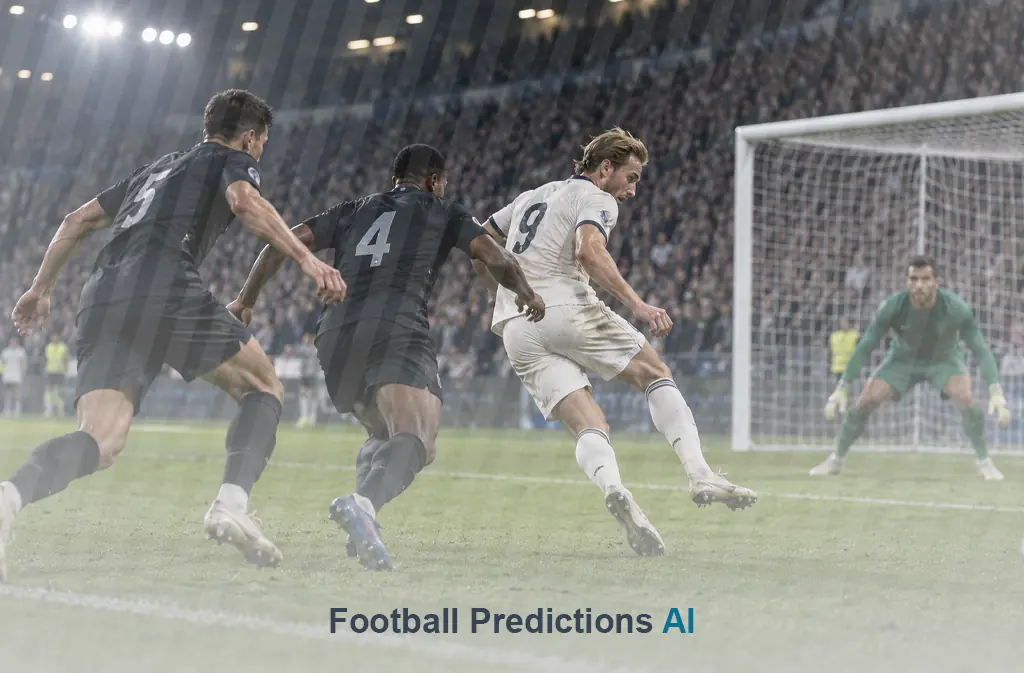
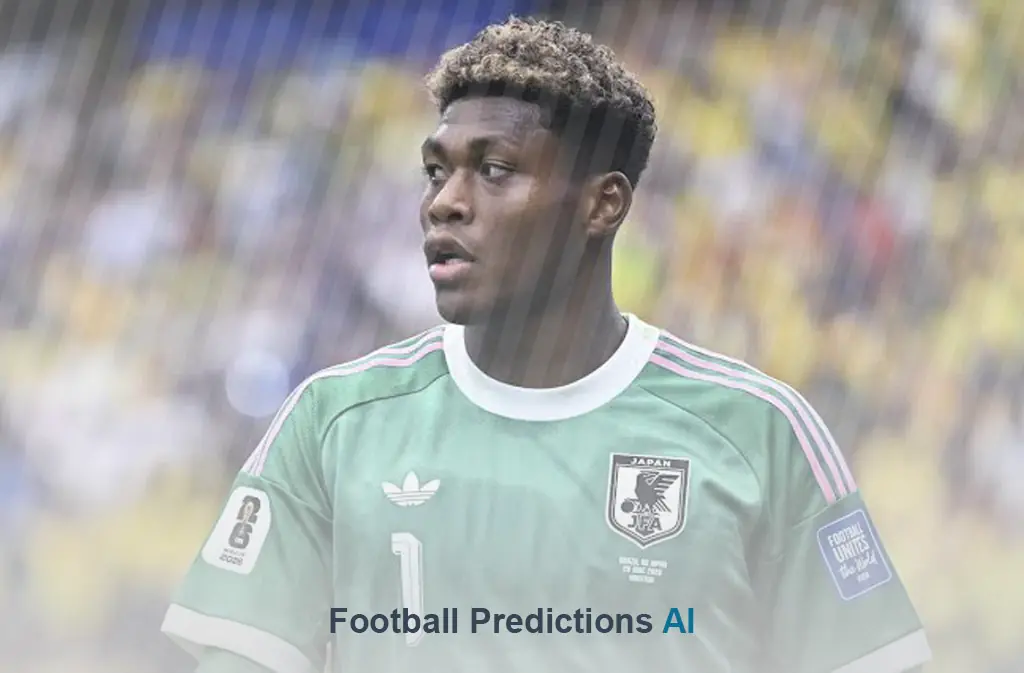
Liverpool confirm Alexander Isak suffers broken leg and undergoes surgery
Ankle surgery for Alexander Isak will keep the Liverpool striker out for an undefined period after he suffered a fibula fracture in the win at Tottenham.
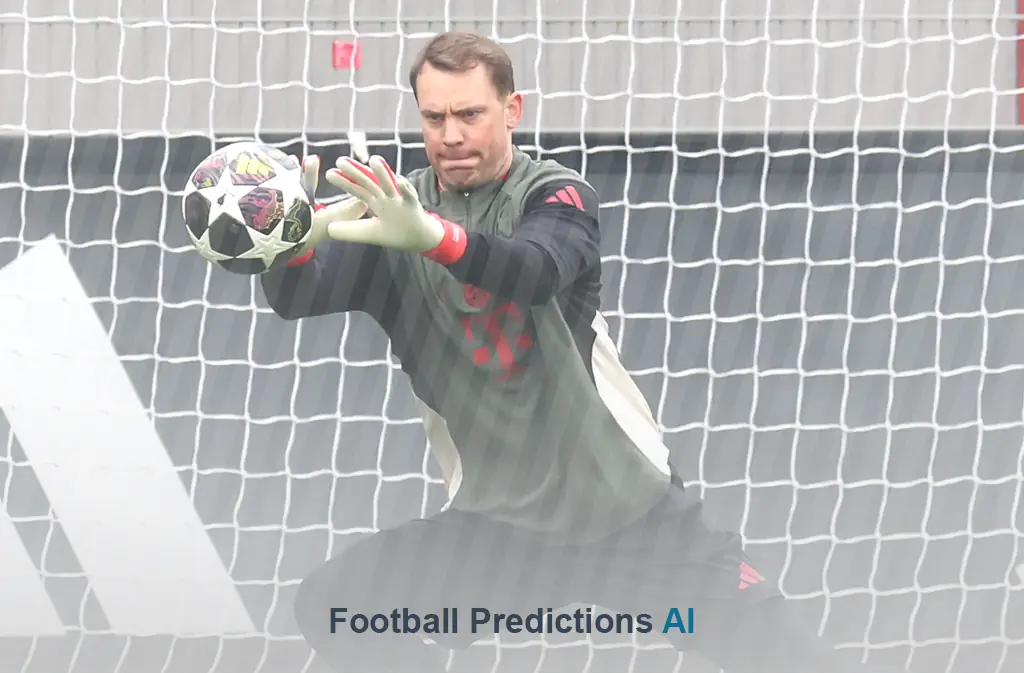
Neuer ready for Freiburg Pavlovic on his way back
FC Bayern are entering the decisive phase of the season. Coach Vincent Kompany can briefly breathe a cautious sigh of relief.

How to use Elo ratings for football predictions
A practical guide to using Elo ratings in football predictions, from team strength and home advantage to draw probability, league adjustments, and model improvement.
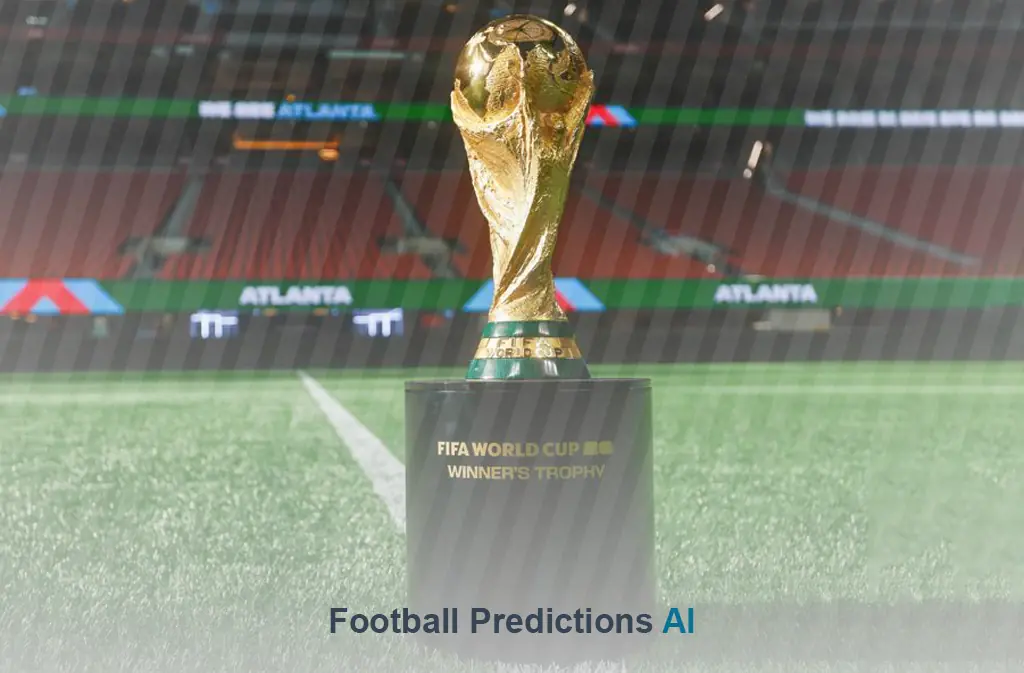
FIFA Reports Record Demand for World Cup 2026 Tickets
FIFA says World Cup 2026 received 150 million ticket requests in 15 days, highlighting unprecedented demand, sparking debate on pricing and accessibility, and setting expectations for a highly competitive allocation process across the three host nations.

The best data sources for AI soccer predictions
A practical guide to the best data sources for AI soccer predictions, covering event data, tracking data, odds, injuries, and open datasets, plus how to choose, validate, and combine them.
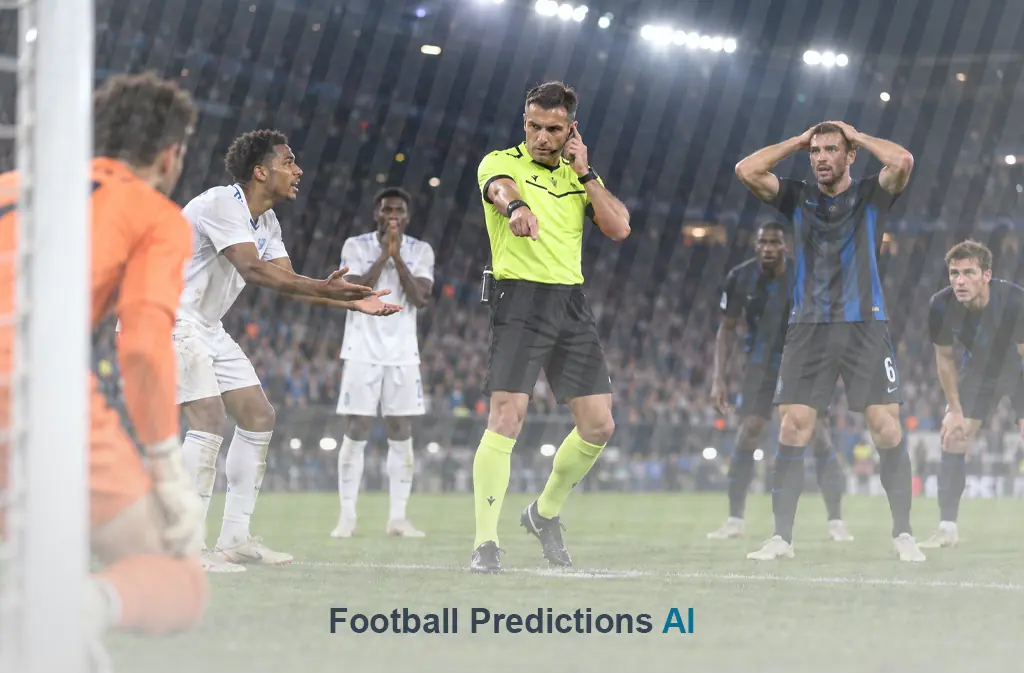
The impact of VAR on penalties and match outcomes
Learn how VAR affects penalties, match outcomes, football predictions, and betting models by changing decision accuracy, game state, scoring probability, and late-match volatility.